Skilled Gutter Repair Hackettstown for Clogged and Broken Systems
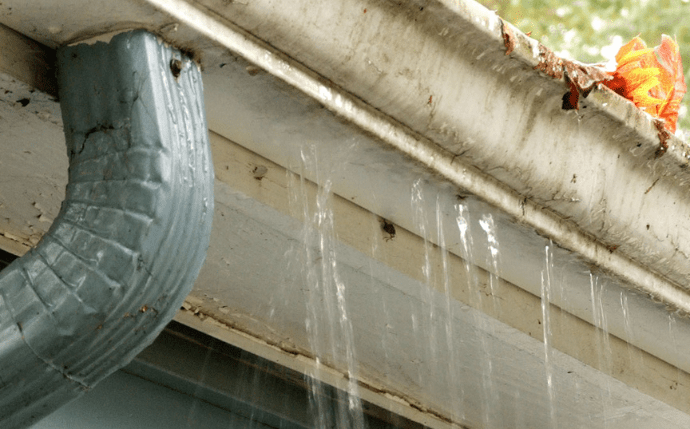
Gutters do not ask for much attention until the day they fail. Then the consequences show up fast. Water spills over the edge, saturates mulch beds, stains siding, loosens fascia boards, and pools near the foundation. In a place like Hackettstown, where homes see heavy spring rain, summer storms, leaf drop in autumn, and freeze thaw cycles in winter, a neglected gutter system can turn a minor maintenance issue into a repair bill that touches several parts of the house.
That is why skilled gutter repair matters. A working system does more than carry rainwater away from the roof. It protects the framing at the eaves, helps preserve masonry and landscaping, reduces basement moisture risk, and prevents the kind of ice formation that can pry sections loose in cold weather. Homeowners often focus on the roof itself, but the gutters are the roof’s drainage network. If that network clogs, sags, leaks, or detaches, the rest of the house pays for it.
When people search for Gutter Repair Hackettstown, they are usually dealing with one of two situations. The first is obvious failure, such as water pouring over the front gutter during a storm or a downspout that has split open at the seam. The second is a quieter problem that has been building for months, sometimes years. That might be damp soil at the same corner after every rain, paint peeling under the eaves, or a section that looks just slightly lower than it should. Those early warning signs matter because gutter problems rarely stay isolated.
Why clogged and broken systems cause bigger damage than expected
A clogged gutter seems simple enough. Leaves, granules, twigs, and roof debris block the channel or pack tightly inside the downspout. Water has nowhere to go, so it spills over. What many homeowners miss is where that water lands. It often drops directly beside the foundation wall, against https://sergiogjwl288.raidersfanteamshop.com/why-routine-gutter-repair-in-hackettstown-saves-on-maintenance window wells, onto walkways, or behind fascia trim. I have seen homes where the gutter itself needed a modest repair, but the runoff had already caused rotted trim, washed out flower beds, and left a slippery algae line across a front path.
Broken systems create a different set of issues. A separated seam leaks continuously, even in light rain. Loose spikes or worn hangers let the trough pull away from the fascia. Improper pitch leaves standing water in the gutter, which adds weight and accelerates corrosion. In winter, that water freezes. Ice is unforgiving. It expands at seams, stresses brackets, and creates a load that can tear a section down all at once.
The tricky part is that not every gutter problem looks dramatic. A gutter can still be attached and still be failing. If water sits in the channel for days after rainfall, the pitch is wrong or the outlet is restricted. If dark streaks appear on the face of the gutter, overflow has probably been happening often enough to leave a record. If the bottom elbow at the downspout keeps clogging, the issue may start higher up where debris is gathering out of sight.
What skilled repair actually involves
Good repair work is rarely just patching the visible leak. The best technicians read the whole system, roof edge to discharge point. They look at slope, hanger spacing, seams, outlet size, fascia condition, downspout placement, and where the water ends up after leaving the pipe. If one part fails, there is usually a reason.
A common example is seam leakage. A quick caulk job may stop dripping for a short while, but if the gutter holds standing water because the pitch is off by even a small amount, the seam will be stressed again. Likewise, replacing a detached hanger without checking the fascia is a half repair. If the wood behind it has softened from long term moisture, the fastener may not hold for long. Skilled Gutter Repair Hackettstown work means correcting the cause, not only the symptom.
Material matters too. Aluminum gutters, which are common on residential homes, repair differently than older steel systems. Aluminum resists rust, but it can dent, crease, and separate at joints. Steel can remain structurally sound for years but may corrode at seams and fastener points. Copper is its own category, often durable and attractive, but it requires careful handling and compatible materials. Matching the repair method to the gutter material is part of doing the job properly.
Signs your gutters need attention sooner rather than later
Some warning signs are unmistakable. Others are easy to dismiss until the next heavy storm proves they were serious.
- Water spilling over the front or back edge during rain
- Visible sagging between hanger points
- Stains on siding or peeling paint near the roofline
- Soil erosion or puddling beside the foundation
- Downspouts that drip from seams or remain clogged after cleaning
A homeowner can spot all five from the ground in many cases. That matters because catching issues early often keeps repair work straightforward. Resetting pitch, resealing a seam, replacing a short damaged section, or clearing a blocked downspout is far simpler than rebuilding rotted fascia and correcting drainage damage around the home.
Clogs are not all the same
When people say the gutter is clogged, the image is usually a trough full of leaves. That certainly happens, especially near mature trees, but many difficult clogs occur inside the downspouts and elbows. The debris in those cases often turns into a dense, wet mass mixed with shingle granules. It packs hard, especially after cycles of rain and sun. Running a hose from the top may not move it. Pushing too aggressively from above can compact it even more.
Another common problem is the outlet opening itself. If a gutter has an undersized outlet or one that was poorly cut during installation, debris snags at that point and starts a blockage. Once enough material catches there, even moderate rainfall can overwhelm the system. On multi story sections, these clogs can be deceptive because the top channel looks mostly clear while the restriction sits lower in the downspout.
Then there is the issue of guards. Gutter guards can help in the right setting, but they are not universal cures. Fine mesh may keep out larger leaves while still collecting roof grit and seed debris. Surface tension style covers can perform well on some roofs and poorly on others, especially if roof pitch, water volume, or nearby tree species create the wrong conditions. A repair professional who has worked locally will usually have a realistic view of which guard styles reduce maintenance and which ones simply hide problems until they get worse.
Broken sections often point to structural stress
A cracked seam or detached corner is not always just age. Often it is the result of repeated stress from extra weight, poor fastening, or ice. One of the most common patterns on older homes is hanger spacing that was acceptable decades ago but leaves too much distance between supports by modern expectations. The gutter bows between those points, holds water, and gradually deforms. Homeowners may notice a corner leak, but the real fix involves reinforcing the entire run so the repaired area is not carrying the same strain.
Fascia condition is another overlooked factor. Gutters are only as sound as the material they anchor into. If moisture has entered behind the gutter for long enough, sections of fascia can soften or delaminate. The gutter then pulls loose not because the metal failed, but because the substrate failed. Reattaching hardware to compromised wood is temporary at best. Skilled repair includes checking whether the support behind the gutter is still solid.
I have also seen downspouts damaged because discharge was never managed properly at grade. If water exits too close to the foundation and repeatedly saturates the soil, the lower elbow can shift, settle, and twist. That strain travels upward through the downspout straps and into the outlet connection. What looks like a small split at the top may actually be the result of movement below.
Repair or replace, making the right call
Not every damaged gutter needs full replacement. In fact, many systems can be restored effectively if the metal is still sound and the problems are localized. Seam leaks, loose hangers, minor slope issues, separated downspout joints, and short damaged sections often respond well to repair. If the gutter profile is still intact and corrosion is limited, repair is usually the sensible path.
Replacement becomes the smarter choice when several conditions overlap. If the system has widespread rust or repeated seam failures, if multiple sections have poor pitch, if fascia damage is substantial, or if the gutters are undersized for the roof area, then patching one section after another becomes more expensive over time. A homeowner may spend money every season without ever getting reliable performance.
The judgment here depends on proportion. One corner leak on an otherwise solid system is repair territory. A house with failing seams on three elevations, chronic overflow at two valleys, and hangers pulling from softened fascia is often better served by a broader rebuild. A good contractor should be able to explain that distinction clearly, without pushing replacement where targeted repair would do the job.
What Hackettstown weather does to gutter systems
Local conditions shape gutter wear more than many people realize. In Hackettstown, the seasonal cycle works against drainage systems in several ways. Spring sends frequent rain that exposes winter damage. Summer storms can dump a lot of water quickly, revealing sizing and slope problems. Autumn leaf fall fills channels and downspouts, especially on homes surrounded by mature trees. Winter then hardens whatever moisture remains into ice.
That freeze thaw pattern is especially rough on neglected gutters. Water trapped at seams expands when frozen, then contracts as temperatures rise. Fasteners loosen a little at a time. Sealants that were already aging lose elasticity faster under repeated temperature swings. If a gutter has even a slight back pitch, water can collect near the house rather than the outlet, creating the exact conditions that lead to hidden fascia rot.
Snow adds another layer. A gutter packed with ice is carrying far more weight than it was designed for. If the roof above sheds snow unevenly, the sliding mass can wrench the front lip or bend supports. Repair work after winter often includes not only leak correction, but also realignment and reanchoring.
The value of proper pitch, support, and discharge
The three fundamentals of a good gutter system are simple to name and easy to get wrong: pitch, support, and discharge.
Pitch determines whether water actually reaches the downspout. Too little slope and water lingers. Too much in a visible front run can look uneven and affect appearance. There is a narrow band where performance and visual balance meet, and experienced installers know how to achieve it over long spans.
Support refers to the hangers, screws, brackets, and the fascia behind them. A gutter with good pitch but poor support will still sag, twist, and leak. This is one reason cheap repairs fail. Replacing one obvious loose fastener may not address the spacing problem or the wood condition that caused the failure.
Discharge is where many systems quietly disappoint. A downspout can be perfectly clear and still dump water in the wrong place. If the runoff exits too close to the home, onto a hard surface with no control, or toward a planting bed that cannot absorb repeated flow, the house remains vulnerable. Repairing the gutter without improving discharge leaves part of the problem unsolved.
What a homeowner can do before the repair visit
There is no need to climb a ladder and investigate every seam up close. In fact, for many homeowners that is not worth the risk. A few simple observations from the ground can make a repair visit more efficient.
- Note which side of the house overflows during heavy rain
- Look for spots where gutters appear lower or pulled away
- Check for mud splash, mulch washout, or standing water below
- Photograph stains, leaks, or detached elbows
- Clear access around the work area if possible
Those small details help a technician trace the path of failure. If the overflow only happens during cloudbursts, sizing or outlet restriction may be at fault. If it drips after the rain stops, standing water or seam leakage is more likely. The pattern tells a story.
The difference between a quick patch and durable repair
A lot of gutter work looks fine from the driveway. The challenge is whether it holds through the next season. Durable repair depends on surface preparation, material compatibility, fastening method, and alignment. Sealant applied to a wet or dirty seam rarely lasts. Screws driven into weak fascia will loosen again. A patched hole in a section that still ponds water is living on borrowed time.
This is where experience shows. A seasoned repair technician knows when a seam can be cleaned and resealed, when a short section should be replaced rather than patched, and when the real problem is upstream at a valley outlet or roof edge. They also know that appearance matters. On visible front elevations, a technically functional repair that leaves obvious dips, mismatched parts, or crooked downspouts is not good workmanship.
Homeowners should expect repairs to address performance first, but visual integration matters too. A gutter system sits at the edge of the roofline, one of the most noticeable lines on the house. Neat joints, straight runs, properly aligned downspouts, and color matched components all affect curb appeal.
Common repair scenarios and how they are handled
Consider a home where the back gutter overflows near a deck every time there is a hard rain. From the ground, the homeowner sees leaf buildup and assumes it needs cleaning. On inspection, the technician finds the channel mostly clear, but the downspout outlet is choking on shingle grit and the gutter run has lost pitch over twelve feet. Cleaning alone would improve flow for a short time, but not enough. The better repair includes clearing the outlet, resetting slope, and adding support where sag developed.
In another case, a front corner leaks steadily onto a stone walkway. The seam had been caulked twice before. The real issue turns out to be a long section that holds water because the hanger nearest the corner pulled from softened fascia. Repair means opening the area, replacing damaged wood as needed, reattaching support properly, and then rebuilding the corner connection. The leak was the symptom. The support failure was the cause.
On older homes, mixed repairs are common. A section of original metal may remain serviceable while a later downspout addition is undersized or poorly placed. Good Gutter Repair Hackettstown work often means improving the system in layers, preserving what still performs and upgrading the weak points. That approach respects cost while still improving reliability.
Choosing the right repair approach for your home
The best gutter repair is specific to the house. Roof area, tree coverage, fascia condition, gutter material, number of stories, and drainage at grade all influence what should be done. A heavily wooded property may benefit from a maintenance focused strategy with periodic cleaning and selective guard use. A wide roof plane feeding one outlet may need resizing or an additional downspout. A historic home may require extra care to preserve trim and match existing profiles.
What matters most is honest diagnosis. Homeowners deserve a clear explanation of what failed, why it failed, and whether repair is likely to last. Sometimes that means a modest service call and a targeted fix. Sometimes it means acknowledging that a system has reached the point where piecemeal work no longer makes financial sense.
Either way, ignoring the warning signs is usually the most expensive choice. Gutters sit at the intersection of roof drainage, exterior trim, foundation protection, and site water control. When they clog or break, the damage spreads outward. When they are repaired skillfully, the whole house benefits quietly, every time it rains.
Just Gutters LLC
Address: 262 Main St, Hackettstown, NJ 07840
Phone number: +12013319454
FAQ About Gutter Repair Hackettstown
What is the average cost to repair gutters?
The average cost to repair gutters is about $390, with most jobs ranging from $120 to $900 depending on the damage. You can explore detailed data and estimates on Angi.
Can I repair a gutter myself?
Yes, you can easily repair most common gutter problems yourself if you are comfortable working on a ladder.
How much does it cost to repair a leaking gutter?
The average cost to repair a leaking gutter ranges from $75 to $350. Most homeowners spend around $150 to $250 to hire a professional to patch small holes or reseal leaking joints. If the damage is severe and requires replacing entire sections, the price can increase from $300 to $800.